Signs You Need Marriage Counselling: When to Seek Help
Table of Contents
10 Signs You Need Marriage Counselling
1. Frequent and Intense Arguments Without Resolution
2. Breakdown in Communication and Active Listening
3. Emotional Withdrawal and Detachment
4. Loss of Physical and Emotional Intimacy
5. Trust Issues, Infidelity, or Betrayal
6. Feeling Like Roommates Rather Than Partners
7. Growing Resentment and Contempt
8. Fear of Communicating or Defensiveness
9. Persistent Conflict Over the Same Issues
10. Considering Separation or Divorce
Is Your Marriage Ready for Therapy? Signs of Therapy Readiness
How to Talk to Your Spouse About Marriage Counselling
What to Expect in Marriage Counselling: Your First Session and Beyond
How Long Does Marriage Counselling Take?
Questions to Ask a Marriage Counselor
Digital vs. In-Person Marriage Counselling: Which Is Right for You?
Cultural and Religious Considerations in Marriage Counselling
Last Updated: July 4, 2026
Recognizing the signs you need marriage counselling is one of the most important decisions a couple can make. Persistent conflict, emotional distance, and communication breakdowns often signal that professional support could transform your partnership. At Rod Chant Counselling, we've worked with hundreds of couples navigating these challenging moments, and we understand that seeking help isn't a sign of failure, it's a sign of commitment to healing.
This guide walks you through key indicators that marriage counselling might be right for you, what to expect, and how to discuss it with your spouse.
10 Signs You Need Marriage Counselling
1. Frequent and Intense Arguments Without Resolution
Arguments happen in every relationship, but when conflicts escalate regularly without resolution, that's a warning sign. Couples stuck in this pattern have the same fight repeatedly, with neither partner feeling heard. Arguments feel circular: you both leave frustrated, nothing changes, and tension builds until the next explosion. This constant undercurrent of conflict erodes trust and emotional safety over time.
2. Breakdown in Communication and Active Listening
Communication is the foundation of healthy relationships. A breakdown looks like partners talking at each other rather than with each other, one person speaks while the other waits for their turn instead of truly listening. Active listening becomes nearly impossible when resentment builds, replaced by defensive language, interruptions, and shutdowns on difficult topics. Without real dialogue, small misunderstandings snowball into major rifts. Developing Healthy Communication skills, learning to listen actively and express yourselves constructively, is something a trained therapist can teach both partners, transforming how you connect.
3. Emotional Withdrawal and Detachment
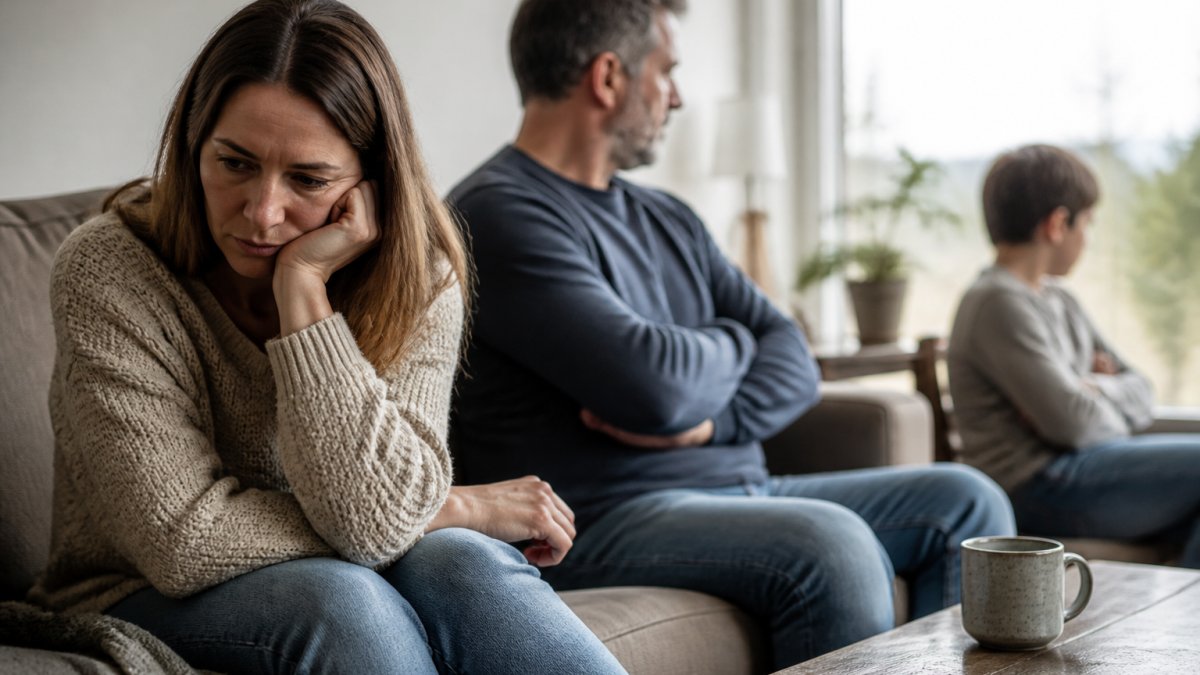
Emotional withdrawal happens gradually: not asking about your partner's day, avoiding eye contact, sleeping in separate rooms. Over time, the emotional gap widens until partners feel completely isolated from each other, even while in the same house. This cold distance is often harder to repair than active conflict because it requires both partners to choose vulnerability again.
4. Loss of Physical and Emotional Intimacy
Intimacy encompasses both physical affection and emotional closeness. When both disappear, couples feel disconnected at the deepest level. These losses often happen together: when couples stop talking, they stop being vulnerable, and physical affection naturally fades. Rebuilding intimacy requires both partners to be willing to be vulnerable again, something couples therapy can facilitate in a safe environment.
5. Trust Issues, Infidelity, or Betrayal
Trust is the cornerstone of any healthy relationship. When infidelity or serious betrayal occurs, the foundation cracks. Infidelity can mean physical involvement, emotional affairs, secret communications, or hidden financial decisions. The betrayed partner often experiences hypervigilance and difficulty believing their spouse again. Working with a marriage counselor allows both partners to process the betrayal in a structured way and guide toward rebuilding trust, if that's what they choose.
6. Feeling Like Roommates Rather Than Partners
This sign emerges quietly: you coexist but don't truly connect. Conversations become transactional, "Can you pick up groceries?" rather than "How are you really doing?" You have parallel lives rather than intertwined ones. What's insidious is that this can feel stable and peaceful, but underneath, both partners often feel lonely and disconnected. Couples counselling can help you remember why you chose each other and rebuild genuine partnership.
7. Growing Resentment and Contempt
Resentment builds when ongoing issues go unresolved. You keep score, remembering every letdown and broken promise. Over time, these accumulated grievances transform into contempt, eye-rolling, sarcasm, mockery, or disdain toward your partner. Unlike anger, which can be resolved through conversation, contempt corrodes the relationship from the inside out. A skilled marriage counselor can help couples understand what's underneath the resentment and work toward genuine forgiveness.
Watch Out Contempt is one of the strongest predictors of relationship breakdown. If you notice yourself feeling disdain for your partner or vice versa, seeking couples therapy quickly can prevent further deterioration.
8. Fear of Communicating or Defensiveness
When communication becomes frightening, the relationship has reached a critical point. You might avoid bringing up concerns because you anticipate anger, judgment, or dismissal. Defensiveness is the flip side: when your partner tries to bring up issues, you immediately become defensive, explaining or counterattacking rather than truly listening. This dynamic creates a trap where one partner stops trying to communicate while the other feels abandoned, and both feel disconnected.
9. Persistent Conflict Over the Same Issues
If you're having the same argument repeatedly about finances, household responsibilities, or parenting, something deeper needs addressing. Couples often get stuck arguing about surface issues without reaching underlying concerns. For example, fighting about dishes might really be about feeling unappreciated, or arguing about money might reflect feeling powerless. A marriage counselor helps couples identify what's really driving the conflict and address root causes.
10. Considering Separation or Divorce
If either partner is seriously considering separation or divorce, that's the clearest possible sign that professional help is needed immediately. At this stage, couples have two choices: seek intensive couples therapy to try to rebuild the relationship, or work with a therapist to separate respectfully if that's truly what's needed. Either way, professional guidance is essential.
Is Your Marriage Ready for Therapy? Signs of Therapy Readiness
Not every couple that needs help is ready to receive it. Therapy readiness means both partners are willing to be honest, vulnerable, and open to change.
First, at least one partner must genuinely want to work on the relationship. Ideally both are willing, but couples therapy can work even when one partner is skeptical, as long as they're willing to participate. Second, both partners need to take responsibility for their part in the problems, not accepting blame for everything, but acknowledging how their own behaviors and choices have contributed. Third, there needs to be enough safety for vulnerability; if there's active abuse, couples therapy isn't appropriate until that abuse has stopped. Finally, both partners should be willing to try new approaches and challenge long-held beliefs about the relationship.
Therapy Readiness Indicator | Present | Absent |
At least one partner wants to improve the relationship | Positive sign | Major barrier |
Both partners willing to take responsibility | Positive sign | Requires individual work first |
Sufficient safety to be vulnerable | Positive sign | Individual therapy needed first |
Openness to trying new approaches | Positive sign | Therapy unlikely to help |
Willingness to examine own patterns | Positive sign | Defensive stance may limit progress |
How to Talk to Your Spouse About Marriage Counselling
Bringing up couples therapy can feel terrifying. The conversation requires care, honesty, and the right framing.

Start by choosing the right time and place, not during an argument or when either of you is tired or stressed. Find a quiet moment when you both can focus. Use "I" statements rather than accusations. Instead of "You never listen to me, and we need therapy," try "I've been feeling disconnected from you, and I'm worried about us. I think talking to someone might help us reconnect."
Be honest about why you're suggesting therapy. If you're considering divorce, say so. If you're feeling hopeless, name that. Honesty creates the foundation for a real conversation. Acknowledge that therapy might feel uncomfortable or vulnerable, and validate those concerns.
Pro Tip Frame couples therapy as an investment in your relationship, not a last resort. Earlier intervention often leads to better outcomes because there's more goodwill and connection to build from.
Be prepared for resistance. Your partner might say therapy doesn't work, it's too expensive, or they don't want to air problems with a stranger. Listen without becoming defensive. If your partner is still resistant, suggest individual therapy first, or propose a trial period of six sessions.
Finally, emphasize that suggesting therapy isn't a threat, it's a sign that you care enough about the relationship to fight for it.
What to Expect in Marriage Counselling: Your First Session and Beyond
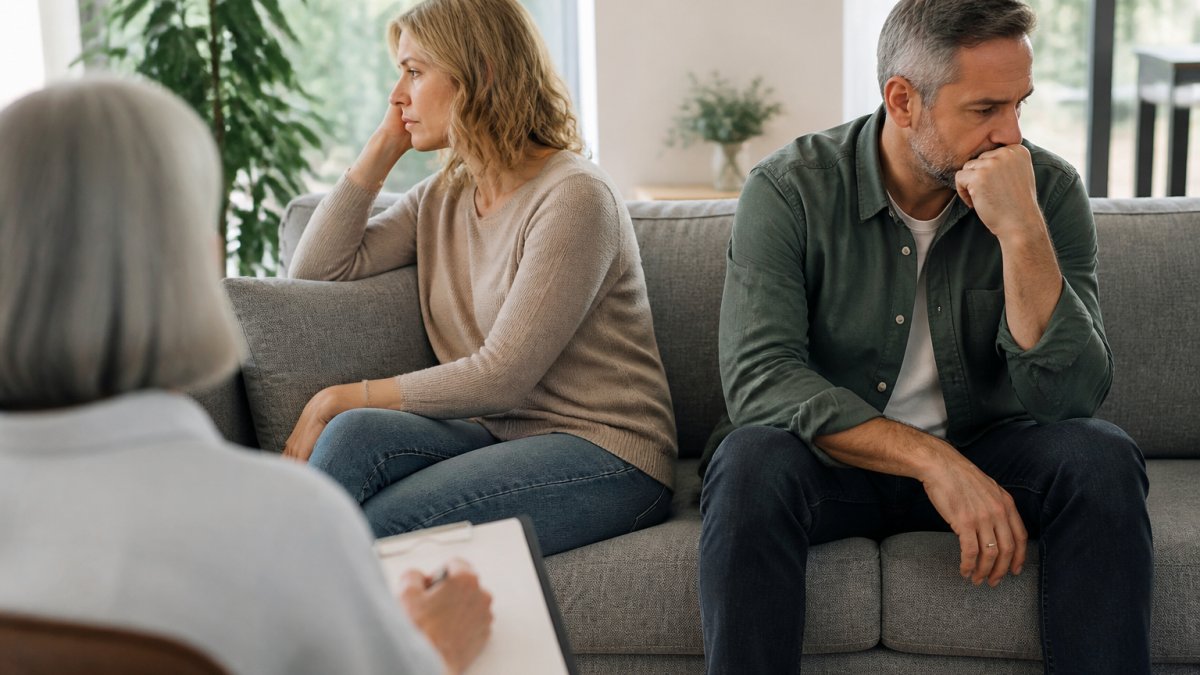
In your first session, the therapist will get to know both of you, asking about your relationship history, how you met, what drew you together, and when things became difficult. Each partner typically gets a chance to share their perspective. The therapist will explain their approach, discuss confidentiality, session length, frequency, and cost, and ask about your goals for therapy.
After the first session, most couples therapy follows a pattern. Sessions typically last 50-60 minutes and happen weekly. The therapist will help you identify patterns, teach communication skills, and guide you toward resolution. You'll likely be given homework between sessions, communication exercises, reflective writing, or specific behaviors to practice. Real change happens between sessions, not just during them.
Different therapists use different approaches. Some use emotionally focused therapy (EFT), which emphasizes emotional connection and attachment. Others use cognitive-behavioral approaches that focus on changing thought patterns and behaviors. Some use the Gottman Method, which is research-based and focuses on building friendship and managing conflict. At Rod Chant Counselling, we tailor our approach to what each couple needs, drawing on evidence-based methods.
As therapy progresses, you'll notice shifts, sometimes subtle, sometimes dramatic. You might argue less, listen better, or feel more connected. Old patterns may still show up sometimes; this is normal. Change isn't linear, and setbacks don't mean failure.
Key Takeaway The most important thing to know about couples therapy is that it requires genuine effort from both partners. The therapist facilitates change, but you and your spouse create it through your willingness to be vulnerable, honest, and open to new ways of relating.
How Long Does Marriage Counselling Take?
The honest answer is: it depends. Some couples see significant improvement in 8-12 sessions. Others need 6-12 months or longer. The timeline depends on the severity and duration of problems, both partners' commitment level, and the therapist's approach and experience.
Couples dealing with recent communication issues often progress faster than those dealing with years of resentment or infidelity. Couples where both partners are fully engaged typically move faster than those where one partner is reluctant. Most therapists recommend committing to at least 8-12 sessions before evaluating whether therapy is working. The question to ask isn't "How long will this take?" but rather "How committed am I to making this work?"
Questions to Ask a Marriage Counselor
Choosing the right therapist is crucial. Ask about their credentials and experience. Are they a licensed marriage and family therapist (LMFT), psychologist, or counselor? How many years have they been practicing? Ask about their approach, do they use the Gottman Method, emotionally focused therapy, or cognitive-behavioral approaches? Ask about logistics: fees, insurance, cancellation policy, and recommended meeting frequency. Ask about their experience with issues relevant to your situation. Finally, trust your gut. Do you feel understood? If something feels off, it's okay to try a different therapist.
Digital vs. In-Person Marriage Counselling: Which Is Right for You?
Online couples therapy offers real advantages: it's more convenient, often more affordable, and can feel less intimidating. In-person therapy has advantages too: there's something about being in the same physical space that deepens vulnerability, and the therapist can pick up on nonverbal cues more easily.
Research suggests both modalities can be effective. What matters more than format is the quality of the therapeutic relationship and both partners' commitment to the work. Consider your situation: if you have small children or mobility issues, online therapy might be more practical. If you're dealing with severe conflict, in-person presence might be better. If cost is a primary concern, online therapy is often more affordable. Don't let format be the barrier to getting help.
Cultural and Religious Considerations in Marriage Counselling
Marriage dynamics are deeply influenced by culture and religion. A good marriage counselor understands this and tailors their approach accordingly. If religion is important to your relationship, you might seek a therapist who shares your faith or at least respects it. Different cultures have different expectations about gender roles, family involvement, emotional expression, and conflict resolution.
When interviewing potential therapists, ask about their experience with couples from your cultural or religious background. Ask how they approach cultural differences if partners come from different backgrounds. The therapeutic relationship works best when there's mutual understanding and respect.
Recognizing that your marriage needs support is an act of courage, not failure. Whether you're experiencing constant conflict, emotional distance, or trust issues, professional guidance can help. The signs you need marriage counselling are often clear, but taking action requires vulnerability and commitment from both partners.
Rod Chant Counselling specializes in helping couples navigate these challenging moments with compassion and expertise. With 25 years of clinical experience, we understand the complexity of relationship dynamics and the specific skills needed to rebuild connection and communication. Our approach focuses on creating emotional safety, teaching healthy conflict resolution, and helping you rediscover what drew you together.
If you're recognizing any of these signs in your relationship, don't wait. The earlier couples seek help, the better the outcomes tend to be. Book your first session online today and take the first step toward a healthier, more connected partnership. Your relationship is worth fighting for.
Frequently Asked Questions
What are the most common signs you need marriage counselling?
The most critical signs include frequent unresolved arguments, emotional withdrawal, loss of intimacy, communication breakdown, persistent resentment, and feeling more like roommates than partners. If you're experiencing multiple signs simultaneously, or if conflict patterns repeat without resolution, these are strong indicators that couples therapy could help. A licensed therapist can assess your specific situation and recommend the best path forward.
How long does marriage counselling take to show results?
Many couples notice improvements in communication and emotional safety within 4-8 weeks of consistent therapy. However, deeper relationship dynamics and trust rebuilding may take 3-6 months or longer. The timeline depends on the complexity of your issues, how long problems have existed, and both partners' commitment to change. Your marriage counselor will help set realistic therapy goals and adjust the approach as needed.
Is marriage counselling worth it if only one spouse wants to go?
Yes, individual therapy can still be valuable, though couples therapy requires both partners' participation for maximum benefit. If one spouse is reluctant, starting with an individual session to discuss concerns may help. A skilled therapist can address attachment styles, communication patterns, and personal barriers to therapy. Many reluctant partners become more engaged once they experience the non-judgmental, structured environment of professional counselling.
What should I ask a marriage counselor before starting therapy?
Ask about their experience with your specific issues (infidelity, communication breakdown, intimacy concerns), their therapeutic approach, session frequency and length, fees and insurance coverage, and whether they offer telehealth options. Also inquire about their view on divorce prevention versus supporting whatever outcome serves the relationship best. Understanding their credentials, philosophy, and practical logistics helps ensure a good fit for your needs.

Comments