Marriage Counselling: A Complete Guide for Canadian Couples
Table of Contents
What Is Marriage Counselling and How Does It Work?
The Role of a Marriage Therapist
Evidence-Based Approaches: Gottman Method and EFT
Benefits of Couples Therapy and Relationship Counselling
Improving Communication Skills and Conflict Resolution
Rebuilding Trust and Emotional Connection
Common Relationship Issues Marriage Counselling Addresses
Infidelity Recovery and Trust Rebuilding
Intimacy Challenges and Attachment Styles
Couples Therapy in Canada: What to Expect in Your First Session
Assessment and Goal Setting
Building the Therapeutic Alliance
Cost of Marriage Counselling in Canada and Insurance Coverage
Understanding Session Rates and Payment Options
Navigating Insurance and Coverage
Online Marriage Counselling in Canada vs. In-Person Therapy
Effectiveness and Accessibility
When Online Counselling Works Best
Choosing the Right Marriage Therapist: A Self-Assessment Framework
Evaluating Credentials and Specialization
Assessing Fit and Neutrality
Success Metrics: How to Know If Marriage Counselling Is Working
Marriage Counselling: A Complete Guide for Canadian Couples
Last Updated: July 28, 2026
What Is Marriage Counselling and How Does It Work?
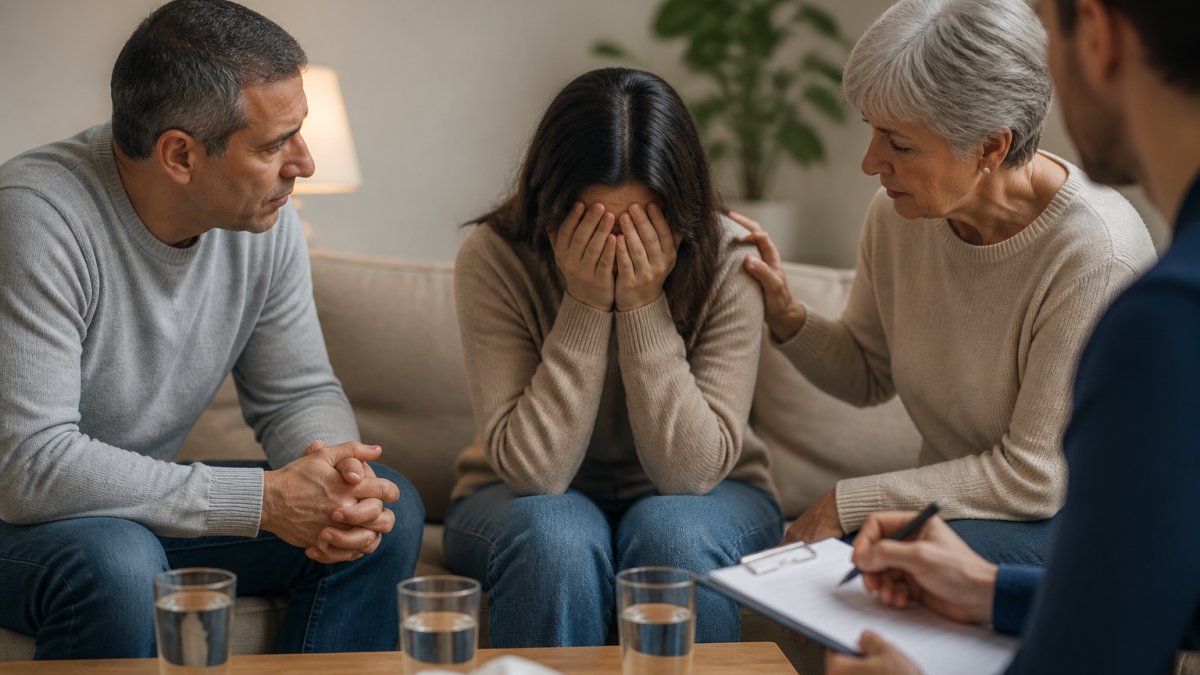
Marriage counselling is a form of psychotherapy designed to help couples improve their relationship, resolve conflicts, and strengthen their emotional connection through guided conversation with a licensed professional. A marriage therapist, typically a clinical psychologist, social worker, or registered counsellor, helps couples identify patterns, understand underlying issues, and develop practical tools for moving forward together.
The process typically unfolds in stages: assessment, where the therapist gathers information about relationship history and goals; introduction of evidence-based techniques tailored to the couple's situation; and ongoing work to build the therapeutic alliance, the trust and collaboration between the couple and therapist.

The Role of a Marriage Therapist
A marriage therapist serves as a neutral guide, not a judge or referee. They help both partners understand each other more deeply, identify communication patterns that aren't working, and practice new ways of relating. A competent therapist won't take sides.
Marriage therapists in Canada typically hold credentials such as:
Master's degree in counselling, psychology, or social work
Licensure through provincial regulatory bodies
Specialized training in couples therapy approaches
Ongoing professional development to maintain certification
The therapist's job is to interrupt unhelpful patterns, ask clarifying questions, and teach skills. They don't tell couples whether to stay together or separate; that decision belongs entirely to the couple.
Evidence-Based Approaches: Gottman Method and EFT
The Gottman Method, developed by psychologist John Gottman, is built on decades of research tracking what separates couples who stay together from those who divorce. This approach focuses on identifying "the Four Horsemen", criticism, contempt, defensiveness, and stonewalling, which are strong predictors of relationship breakdown. Gottman-trained therapists teach couples to recognize these patterns and replace them with healthier communication.
Emotionally Focused Therapy (EFT) focuses on attachment styles and emotional safety. EFT therapists help couples understand how they respond to each other under stress and guide them toward more secure attachment patterns. Both approaches are evidence-based and validated through research.
Benefits of Couples Therapy and Relationship Counselling
Couples who engage in therapy often report improvements they didn't expect when they started.
Improving Communication Skills and Conflict Resolution
Most couples don't argue because they disagree; they argue because they don't know how to disagree effectively. Marriage counselling teaches communication skills that transform how couples handle conflict.
Effective communication requires active listening, where one partner genuinely tries to understand the other's perspective before responding. It means expressing needs without blame, using "I feel" statements instead of "You always" accusations. Through Healthy Communication strategies, couples learn to resolve disagreements in ways that strengthen rather than damage the relationship. Conflict resolution through counselling isn't about eliminating disagreements but about managing them constructively.
Pro Tip The most effective couples learn to pause mid-argument and say, "I'm getting defensive. Can we take a 20-minute break and come back to this?" This simple skill prevents escalation and allows both partners to think clearly.
Rebuilding Trust and Emotional Connection
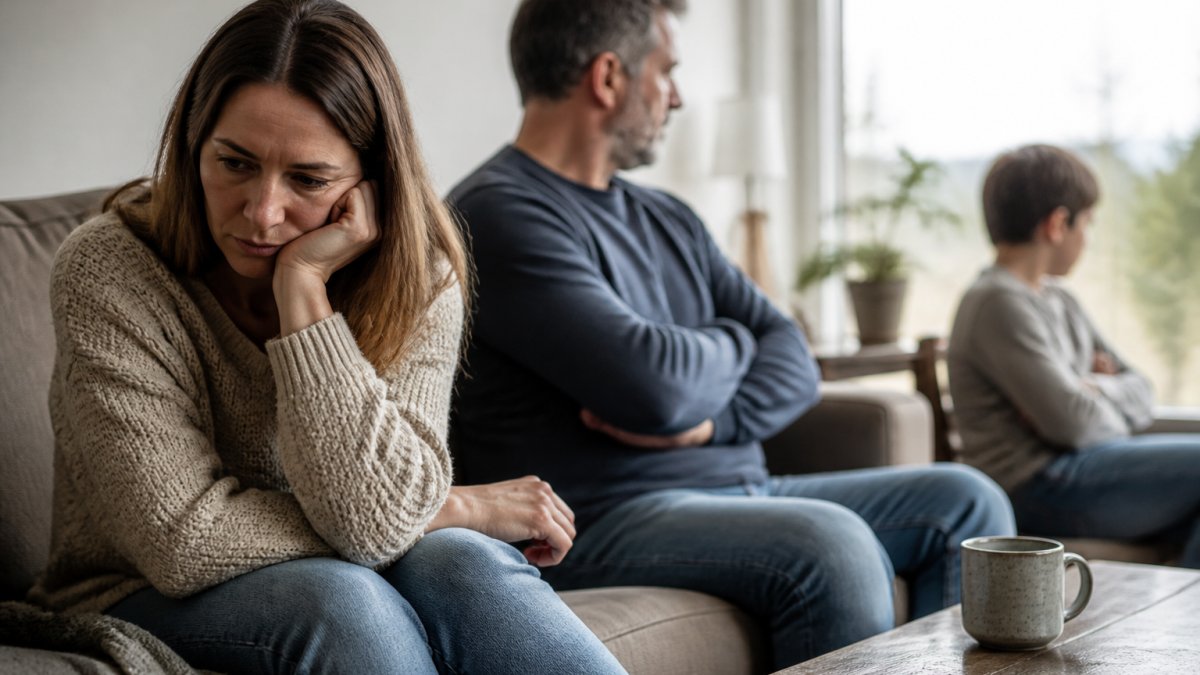
Trust and emotional connection are the bedrock of healthy relationships. Infidelity, broken promises, or years of feeling emotionally neglected can erode trust to the point where couples feel like strangers sharing a home. Marriage counselling addresses this by creating accountability and understanding. Emotional connection involves feeling seen, valued, and safe with your partner, moving beyond surface-level interactions to deeper conversations about fears, hopes, and needs.
Common Relationship Issues Marriage Counselling Addresses
Infidelity Recovery and Trust Rebuilding
Infidelity is one of the most common reasons couples seek marriage counselling. Recovery requires both partners to be willing: the unfaithful partner must take genuine responsibility and make concrete changes, and the betrayed partner must be willing to consider forgiveness.
Recovery typically involves three phases: addressing the immediate crisis and understanding what happened; rebuilding trust through transparency and accountability; and addressing underlying issues in the relationship that may have made infidelity possible. This process is rarely linear, and triggers will emerge that bring the betrayal rushing back. A skilled marriage counsellor helps couples anticipate these moments and respond with compassion.
Intimacy Challenges and Attachment Styles
Intimacy challenges take many forms: low sexual desire, performance anxiety, difficulty with physical affection, or emotional distance that makes physical intimacy feel hollow. These issues often connect to attachment styles, the patterns we learned early in life about how to seek closeness and respond when we feel threatened.
Understanding attachment styles helps couples make sense of their patterns. An anxiously attached partner might pursue intimacy constantly, while an avoidantly attached partner withdraws, creating a painful cycle. Marriage counselling helps couples recognize these patterns and choose different responses.
Couples Therapy in Canada: What to Expect in Your First Session
Walking into a therapist's office for the first time as a couple can feel awkward or anxiety-inducing. Knowing what to expect helps ease that tension.
Assessment and Goal Setting
The first session is primarily assessment. Your therapist will ask about your relationship history, how you met, what's brought you in now, and what you hope to achieve. They'll likely ask each partner separately about their perspective on the problems and their goals, then bring you together to discuss what you've heard.
This session establishes the therapeutic frame: confidentiality, session length, cancellation policies, and how the therapist approaches neutrality. A good therapist will be explicit about how they handle situations where one partner discloses something the other doesn't know.
Building the Therapeutic Alliance
The therapeutic alliance, the sense that your therapist is competent, trustworthy, and genuinely invested in your success, predicts whether couples therapy will work. Pay attention to how the therapist treats each of you. Do they seem to understand both perspectives? Are they warm but professional? If something doesn't feel right after the first session, it's okay to try a different therapist. Fit matters enormously.
The first session is also your chance to ask questions. If you're worried the therapist might push you toward separation, ask directly: "How do you approach decisions about whether couples should stay together?" A good therapist will explain that those decisions belong entirely to the couple.
Cost of Marriage Counselling in Canada and Insurance Coverage
Marriage counselling is an investment, and it's reasonable to understand the financial commitment before starting.
Understanding Session Rates and Payment Options
Session rates for marriage counselling in Canada vary significantly depending on the therapist's credentials, experience, and location. Urban centers like Toronto and Vancouver typically have higher rates than smaller cities. Most therapists offer flexible payment options, including sliding scales or online sessions to reduce costs.
Key Takeaway The cost of marriage counselling is typically a fraction of the cost of separation, divorce, or years of living in an unhappy relationship. Budget for at least 8-12 sessions before expecting significant change.
Navigating Insurance and Coverage
Insurance coverage for marriage counselling varies widely across Canadian provinces and insurance plans. Some plans cover a portion of counselling fees if the therapist holds specific credentials, while others don't cover relationship counselling at all.
To navigate insurance: check your plan documents or call your insurance provider; ask your therapist what credentials they hold and whether they're eligible for insurance claims; get an itemized receipt to submit to insurance; and keep records of all payments. Some employers offer Employee Assistance Programs (EAPs) that provide free or subsidized counselling sessions, often the most cost-effective option.
Online Marriage Counselling in Canada vs. In-Person Therapy
The rise of online counselling has expanded access to marriage therapy for couples in rural areas or those with scheduling constraints.
Effectiveness and Accessibility
Research consistently shows that online marriage counselling is as effective as in-person therapy for most couples. The therapeutic relationship can develop just as well through a video call as it can in an office.
Online counselling offers clear advantages: no travel time, more flexible scheduling, and access to therapists outside your geographic area. For couples in areas with limited local options, online sessions open access to experienced therapists who might not be available locally.
Canadian Counselling and Psychotherapy Association guidelines on online therapy confirm that online marriage counselling meets the same professional standards as in-person therapy when conducted by qualified practitioners.
Choosing the Right Marriage Therapist: A Self-Assessment Framework
Finding the right marriage therapist is one of the most important decisions you'll make in your counselling journey. A skilled, well-matched therapist can transform your relationship; a poor fit wastes time and money.
Evaluation Criterion | What to Look For | Red Flag |
Credentials | Master's degree + provincial licensure + couples therapy training | No formal training in couples work |
Approach | Clear explanation of their method (Gottman, EFT, etc.) | Vague about their approach or no specialized training |
Neutrality | Asks each partner's perspective; doesn't side with either | Seems to favor one partner's viewpoint |
Availability | Offers times that work for your schedule | Only available at inconvenient times |
Experience | Years of experience working with couples | First or second year in practice |
Communication Style | Warm, clear, asks good questions | Distant, uses jargon, doesn't explain their thinking |
Cost Transparency | Clear about fees, insurance, payment options | Vague about pricing or pushes expensive packages |
Evaluating Credentials and Specialization
In Canada, the regulation of therapists varies by province. Look for therapists with a Master's degree in counselling, psychology, social work, or related field; licensure or registration with a provincial regulatory body; specific training in couples therapy (Gottman certification, EFT training, or similar); and ongoing professional development.
Specialization matters. A therapist who specializes in couples work has seen hundreds of relationship patterns and knows what tends to work.
Assessing Fit and Neutrality
The most qualified therapist in the world won't help if you don't feel safe or understood. Ask directly in your first conversation: "How do you ensure you're fair to both partners?" A good response will explain that they actively work to understand each perspective and see their role as supporting both people equally.
Pay attention to how the therapist responds to each of you during the first session. Do they make eye contact with both partners? Do they ask follow-up questions to both perspectives? If after the first or second session you feel like the therapist is siding with your partner, bring it up directly or consider finding someone else.
Success Metrics: How to Know If Marriage Counselling Is Working
True progress in marriage counselling shows up in several ways: you're arguing less frequently or less intensely; you feel less resentful or hopeless about the relationship; you're using the tools your therapist taught you; and you have greater clarity about what you want from the relationship.
Progress is rarely linear. You'll have setbacks, a stressful week at work, an anniversary of a painful event, a misunderstanding that triggers old patterns. These setbacks don't mean therapy isn't working; they're normal parts of the process.
Most couples notice meaningful progress within 8-12 sessions if they're engaged in the work. If you're not seeing any shift after 12 sessions, discuss this with your therapist.
Watch Out If your therapist seems to be pushing you toward a particular decision (staying together or separating), that's a red flag. Your therapist's job is to help you clarify what you want, not to decide for you. Trust your instinct and consider finding someone else.
Navigating relationship challenges is difficult, and reaching out for help takes courage. Whether you're struggling with communication, recovering from infidelity, or trying to rebuild emotional connection, marriage counselling offers practical tools and professional support. At Rod Chant Counselling, we provide compassionate, evidence-based couples therapy designed to help you and your partner move forward together. With 25 years of experience supporting couples through their most challenging moments, our approach emphasizes genuine neutrality, skill-building, and your autonomy in deciding what's right for your relationship. Book your first session online today to begin the process of strengthening your marriage.
Frequently Asked Questions
What is the difference between marriage counselling and couples therapy?
Marriage counselling and couples therapy are often used interchangeably in Canada, though some professionals distinguish them by focus. Marriage counselling typically addresses specific relationship issues and communication breakdowns, while couples therapy may take a broader psychotherapy approach to underlying emotional patterns and attachment styles. Both involve a licensed professional, such as a clinical psychologist or social worker, working with partners to improve their relationship dynamics and resolve conflict. The therapeutic alliance and evidence-based methods like Emotionally Focused Therapy (EFT) or the Gottman Method apply to both.
How much does marriage counselling cost in Canada?
Pricing for marriage counselling in Canada depends on the therapist's credentials, location, session length, and whether you're accessing services in-person or online. Session rates vary significantly by province and practice type. Many Canadians check whether their employer's benefits plan covers psychotherapy or counselling services, as coverage can reduce out-of-pocket costs substantially. Contact your insurance provider or ask your therapist directly about current fees, payment plans, and whether they bill insurance. Some therapists offer sliding-scale fees based on income.
Is online marriage counselling effective in Canada?
Yes, online marriage counselling is effective for many Canadian couples. Research supports the use of remote couples therapy, particularly for communication skills development and conflict resolution. Online counselling offers accessibility for couples in rural areas or those with scheduling challenges. However, effectiveness depends on the quality of your internet connection, privacy in your home, and the therapeutic approach used. Some couples prefer in-person sessions to build a stronger therapeutic alliance, while others find online formats more convenient and equally impactful for addressing relationship issues.
What happens if my partner won't agree to marriage counselling?
Individual therapy can still be valuable when one partner resists couples counselling. A licensed therapist can work with you alone to improve communication skills, manage your emotional responses, and clarify your own needs and boundaries. This individual work often creates positive shifts in relationship dynamics that may eventually encourage your partner to participate. Some therapists also offer psychoeducational sessions for reluctant partners or can help you explore whether the relationship is worth pursuing. Starting alone does not mean you've failed, it's a legitimate pathway to either strengthening your marriage or making informed decisions about your future.

Comments