Couples Therapy vs Individual Counselling: Which Is Right for You?
Table of Contents
Couples Therapy vs Individual Counselling: Understanding the Core Differences
What Is Individual Therapy?
What Is Couples Therapy?
Key Differences: Individual vs Couples Counselling at a Glance
Benefits of Individual Therapy for Personal Growth
Benefits of Couples Therapy for Relationship Dynamics
Signs You Need Relationship Counseling: When Couples Therapy Makes Sense
When to Choose Individual Therapy Over Couples Counselling
How Long Does Couples Therapy Take vs Individual Counselling?
Can You Do Both at the Same Time? Dual Therapy and Ethical Considerations
The 'Dual Relationship' Ethics Question
Success Metrics: How to Measure Progress in Each Modality
Last Updated: July 6, 2026
Couples Therapy vs Individual Counselling: Understanding the Core Differences
When relationships feel strained or personal challenges mount, the question of couples therapy vs individual counselling becomes unavoidable. At Rod Chant Counselling, we help clients navigate this critical decision every day. With 25 years of experience supporting families and individuals in Campbell River, BC, we've seen firsthand how the right therapeutic approach can transform lives.
The choice between these two paths isn't obvious. One focuses on relational dynamics between partners; the other centers on your own emotional landscape. Each has distinct benefits, different timelines, and specific scenarios where it shines. Below, we'll walk you through the practical differences, show you how to recognize which approach fits your situation, and address whether you can pursue both simultaneously.
What Is Individual Therapy?
Individual therapy is a one-on-one relationship between a client and a licensed mental health professional. The focus is entirely on your personal growth, emotional regulation, and self-awareness. You explore your attachment styles, family history, trauma responses, and behavioral patterns without a partner present.
The therapeutic approach is tailored to your specific mental health needs. Whether you're managing anxiety, processing grief, healing from past relationships, or building self-confidence, the therapist works exclusively with your narrative and goals. Sessions typically last 50-60 minutes and occur weekly, though frequency varies based on your situation.
Individual therapy creates a safe space for vulnerability that many people cannot access in front of a partner. You can discuss resentments, fears, or personal struggles without worrying about how your words will be received or weaponized later.
What Is Couples Therapy?
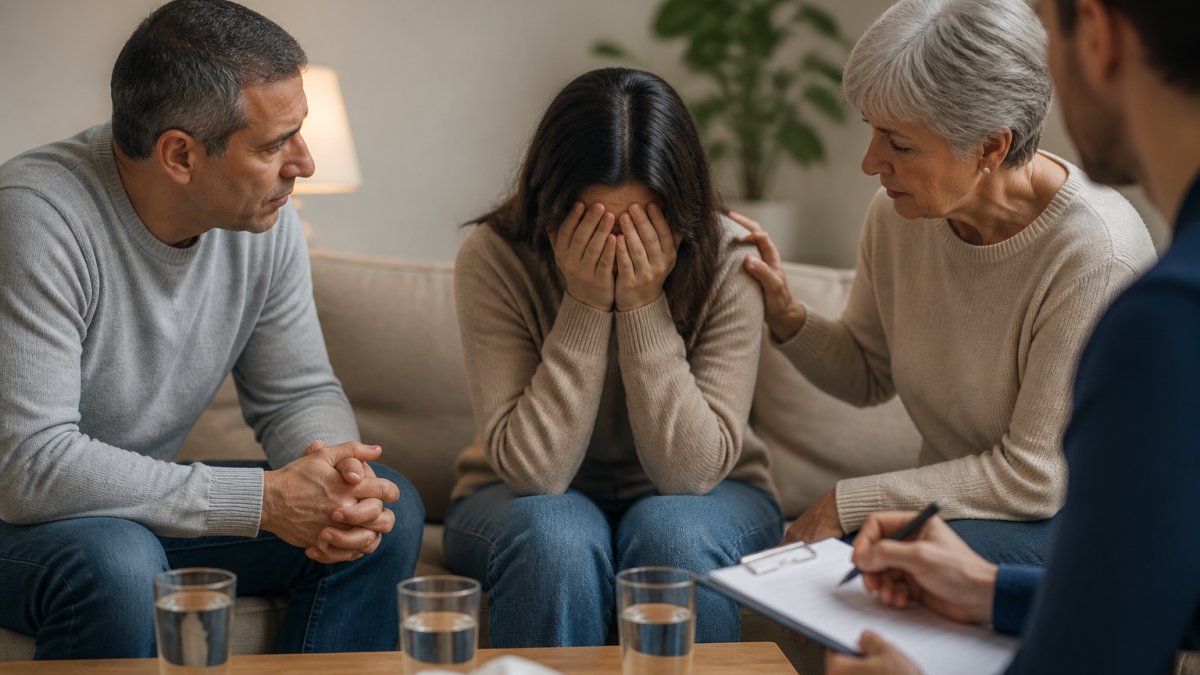
Couples therapy brings both partners into the room with a licensed marriage and family therapist (LMFT) or clinical psychologist. The focus shifts from individual psychology to relational dynamics: how you communicate, handle conflict, maintain intimacy, and navigate shared challenges.
The therapist acts as a neutral facilitator, helping each partner understand the other's perspective and teaching evidence-based communication patterns. Common therapeutic approaches include the Gottman Method, emotionally focused therapy (EFT), and behavioral interventions.
Couples therapy addresses specific relational issues: infidelity, financial conflict, sexual intimacy concerns, co-parenting disagreements, or whether a relationship can be repaired. Sessions are structured to ensure both voices are heard and both partners feel supported.
Key Differences: Individual vs Couples Counselling at a Glance
Aspect | Individual Therapy | Couples Therapy |
Focus | Personal growth, emotional regulation, self-awareness | Relational dynamics, communication patterns, shared goals |
Participants | You and the therapist (one-on-one) | Both partners and the therapist |
Session Length | 50-60 minutes | 50-90 minutes (more time for dialogue) |
Typical Duration | 6-24 months (varies widely) | 12-20 sessions on average |
Best For | Anxiety, depression, trauma, personal boundaries, self-discovery | Communication breakdown, infidelity, intimacy issues, divorce decisions |
Cost Per Session | $100-$250+ | $150-$300+ (shared between partners) |
Privacy | Complete confidentiality (therapist-client privilege) | Shared information; therapist may see partners individually in some cases |
The most striking difference is the unit of focus. Individual therapy treats you as the primary client; couples therapy treats the relationship as the client.
Benefits of Individual Therapy for Personal Growth
Individual therapy excels at building self-awareness and emotional resilience. When working alone with a trained professional, you can examine your own patterns without managing someone else's reaction in real time.
Many people discover why they react the way they do in relationships. Perhaps you grew up with an emotionally unavailable parent and now withdraw when your partner needs closeness. Or maybe unresolved trauma makes you hypervigilant in your current relationship. Individual therapy creates space to explore these roots without shame or interruption.
The benefits extend beyond relationships: improved emotional regulation, stronger boundaries, reduced anxiety, and greater confidence in decision-making. You learn to identify your own needs separately from your partner's needs, a foundation for healthier relating.
Key Takeaway Individual therapy is most powerful when you're willing to examine your own contribution to relational problems, not just blame your partner.
Research shows that personal therapy often precedes successful couples work. When you've done your own emotional homework, you enter couples sessions with more clarity and less defensiveness. The timeline for individual therapy is flexible, some people work for six months on a specific issue; others engage for years as they build deeper self-understanding.
Benefits of Couples Therapy for Relationship Dynamics
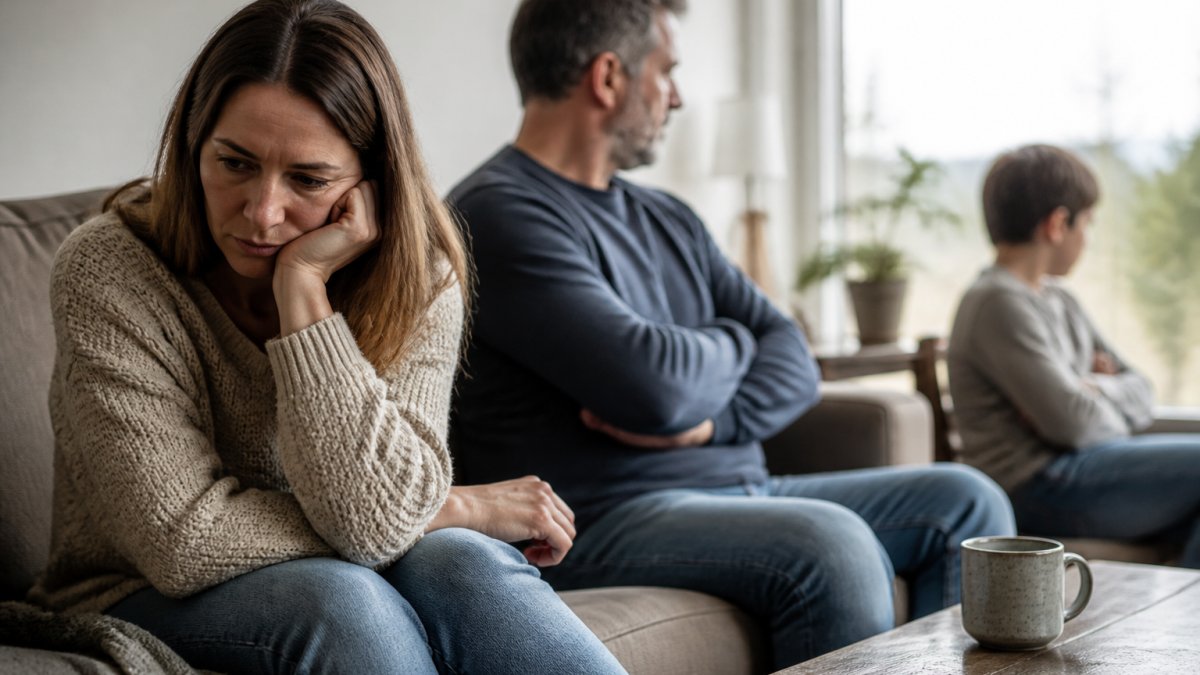
Couples therapy directly addresses communication breakdowns and conflict patterns that individual work cannot fix. When both partners are present, the therapist can observe exactly how you interact: who interrupts, who withdraws, whose needs get dismissed, where the cycle of hurt repeats.

This real-time observation is powerful. The therapist can say, "Notice what just happened, when you raised your concern, your partner's body language closed off. Let's try a different approach." You learn new patterns in the moment, not just in theory.
Evidence-based couples interventions help partners rebuild trust after infidelity, repair intimacy after years of disconnection, and navigate major life transitions. The Gottman Method, for instance, focuses on identifying and breaking "the four horsemen" of relationship breakdown: criticism, contempt, defensiveness, and stonewalling. Through Healthy Communication skills training, couples learn to express needs clearly, listen actively, and validate each other's perspectives, transformative tools that reshape how you dialogue.
Pro Tip Couples therapy works best when both partners genuinely want to improve the relationship. If one person is already checked out, individual therapy for the willing partner may be the first step.
Couples therapy also provides a structured container for difficult conversations. Many couples avoid serious issues because they don't know how to discuss them without escalating into arguments. A therapist teaches communication skills, active listening, non-violent expression, and validation that transform how you dialogue.
Most couples see meaningful shifts within 12-20 sessions, though some choose to continue longer. Progress is often visible: reduced conflict frequency, better sex, more laughter, genuine collaboration on problems.
Signs You Need Relationship Counseling: When Couples Therapy Makes Sense
Couples therapy becomes necessary when relational patterns are stuck and you can't resolve them alone. Common signs include persistent communication breakdowns where conversations spiral into the same arguments repeatedly, unresolved infidelity or trust violations, sexual or emotional disconnection lasting months or years, or fundamental disagreements about major life decisions.
Many couples wait too long to seek help. The earlier you intervene, the easier the repair. Couples who seek therapy at the first sign of serious strain often need fewer sessions and see faster improvement.
To convince a partner to attend, frame it as collaborative problem-solving: "I care about us, and I don't want to keep having the same painful fights. I think a professional could help us understand each other better. Would you be willing to try a few sessions?"
Another clear sign you need couples therapy is when one or both partners are considering divorce. Before ending a relationship, couples deserve the chance to understand what went wrong and whether repair is possible. Many couples who enter therapy with "divorce on the table" either reconcile with new tools or separate with greater clarity and less bitterness.
When to Choose Individual Therapy Over Couples Counselling
Individual therapy is the right choice when your primary struggles are internal rather than relational. If you're battling depression, anxiety, PTSD, or addiction, you need one-on-one work to stabilize your mental health first.
Choose individual therapy when your partner refuses to attend sessions. You cannot do couples work without both people present and willing. But you can work on yourself, your boundaries, your emotional responses, and your own healing, even if your partner won't participate. Many people find that their own growth shifts the relational dynamic for the better.
Individual therapy is also appropriate when you're trying to decide whether to stay in a relationship. If you're unsure about your own needs, values, or whether you can trust your judgment, individual work helps clarify that before you make a major decision.
Watch Out Avoid couples therapy if there is active domestic violence or abuse. In these situations, individual therapy for the victim (in a safe setting) and separate intervention for the person engaging in abuse is necessary. Couples therapy can reinforce abusive dynamics by creating false "balance."
Personal therapy is also the better choice if you have unresolved trauma that makes you reactive in your relationship. Individual work helps you process that trauma so you can show up more fully in the relationship later.
How Long Does Couples Therapy Take vs Individual Counselling?
Individual therapy typically spans six months to several years. Some people work with a therapist for six weeks to address a specific crisis, then return years later for a new challenge. Others engage in ongoing therapy as a form of personal maintenance.
Couples therapy is usually more time-bound. Most couples see meaningful progress within 12-20 sessions. If rebuilding trust after infidelity, you might need 20-30 sessions over four to six months. For deeper relational patterns, couples might work together for six months to a year.
Individual therapy often happens weekly; couples therapy might be every other week or monthly, depending on intensity and needs. Individual therapy doesn't have a "graduation date", you continue until equipped to handle life independently. Couples therapy often has a natural endpoint when the presenting problem is resolved.
Can You Do Both at the Same Time? Dual Therapy and Ethical Considerations
Many couples benefit from doing individual and couples therapy simultaneously. You work with a couples therapist as a pair, and each partner also sees an individual therapist. This allows you to process personal material privately while building relational skills together.
The advantage is clear: you get both the safety of one-on-one work and the real-time relational repair of couples sessions. However, dual therapy requires careful coordination and clear ethical boundaries.
The 'Dual Relationship' Ethics Question
A critical ethical issue arises if the same therapist sees you individually and as a couple. This "dual relationship" is generally discouraged by professional bodies like the American Association for Marriage and Family Therapy (AAMFT) and the Canadian Counselling and Psychotherapy Association (CCPA).
Why? Because confidentiality becomes murky. If your therapist hears in individual sessions that you're thinking about leaving, then sits with both of you in couples sessions, their allegiance becomes unclear and trust erodes.
The ethical best practice is to work with two separate therapists: one for individual work, one for couples work. This maintains clear boundaries and ensures both partners feel the therapist is genuinely neutral. Rod Chant Counselling follows this ethical standard, coordinating with other professionals to ensure comprehensive support without ethical compromise.
Success Metrics: How to Measure Progress in Each Modality
In individual therapy, progress looks like increased self-awareness, better emotional regulation, reduced symptoms of anxiety or depression, and clearer personal boundaries. You might notice you react less defensively to criticism, sleep better, feel more confident, or experience fewer intrusive thoughts.
In couples therapy, progress looks like reduced conflict frequency, more positive interactions, improved sexual intimacy, better problem-solving together, and genuine laughter. You might notice your partner listens more fully, you interrupt less, you feel more understood, and you collaborate rather than compete.
The key difference: individual therapy measures internal change; couples therapy measures relational change. Both are valid and important.
Deciding between individual therapy and couples counselling isn't a binary choice, it's about matching the right intervention to your actual situation. If you're struggling with personal mental health, individual work gives you the foundation. If relational patterns are stuck and both partners want to repair things, couples therapy provides the structure and skills to reconnect.
At Rod Chant Counselling, we help clients make this choice with clarity. Our expert support for marriage and family dynamics, combined with comprehensive therapy services, means you get guidance tailored to your unique circumstances. Whether you need to build personal resilience first or work directly on relational repair, we're equipped to help you navigate toward healthier, more balanced relationships.
Canadian Counselling and Psychotherapy Association ethical guidelines outline the standards we follow to ensure your therapy experience is safe, confidential, and effective. Ready to take the next step? Book your session online with Rod Chant Counselling today and begin your journey toward the clarity and connection you deserve.
Frequently Asked Questions
Can you do individual therapy while in couples therapy at the same time?
Yes, many people benefit from both simultaneously, though this requires careful coordination. Some therapists specialize in individual work alongside couples therapy, while others refer clients to separate practitioners to avoid dual-relationship ethical concerns. Discuss your goals with your mental health professional to ensure both therapeutic approaches support your overall healing. Success depends on clear communication between you, your partner, and your therapist(s) about what each modality aims to achieve.
How long does couples therapy take compared to individual counselling?
Couples therapy typically lasts 12-20 sessions (3-6 months) for moderate issues, while individual therapy often extends 6-12 months or longer depending on the presenting problem. However, duration varies widely based on the depth of issues, commitment level, and therapeutic goals. Some couples resolve communication patterns in 8 sessions; others working through infidelity or major trust issues may need 30+ sessions. Individual therapy for anxiety or depression may be shorter than therapy addressing trauma or attachment styles.
What is the main difference between individual and couples counselling?
Individual therapy focuses on one person's mental health, emotional processing, and personal growth, addressing anxiety, depression, trauma, or self-awareness. Couples therapy targets relationship dynamics, communication patterns, conflict resolution, and intimacy between partners. Individual therapy is one-on-one with a therapist; couples therapy involves both partners (or sometimes one partner working with a therapist on relationship issues). The therapeutic approach differs: individual work emphasizes personal insight; couples work emphasizes relational repair and shared understanding.
Does insurance cover couples therapy differently than individual therapy?
Many insurance plans cover both, but couples therapy is sometimes classified as 'family therapy' and may have different copay structures or session limits. Some plans cover individual therapy more generously than relationship counseling. Coverage depends on your specific policy, the therapist's credentials (LMFT, psychologist, clinical counsellor), and whether the issue is deemed medically necessary. Always verify with your insurer before starting; out-of-pocket costs for couples work can range $100-$250 per session without coverage, while individual therapy may be partially reimbursed.

Comments